Keiko Kato
Japanese Language Teacher × Visual Thinking Strategies (VTS)
Passionate about helping learners express their ideas in Japanese through Visual Thinking Strategies (VTS), drawing on extensive business experience and experience introducing Japanese culture in international contexts.
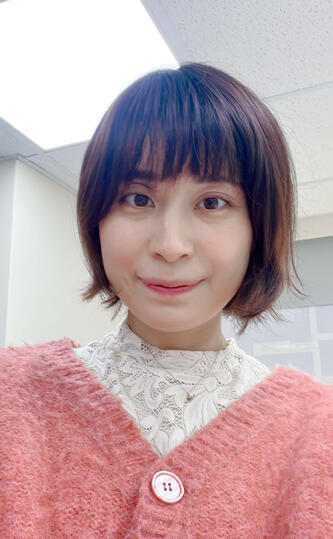
About
After completing a Master's degree at the Graduate School of Agriculture, Kyoto University, I worked in overseas business development and corporate planning for a Japanese global food company. Driven by a desire to contribute to world peace through my passion for language, I later transitioned into the field of Japanese language education.In Malaysia, I worked as a teaching assistant at a secondary educational institution, focusing on helping students develop intercultural understanding through the study of the Japanese language and culture. I also have experience teaching Japanese in the Philippines and Taiwan.This autumn, I will begin a Master's program in Graduate School of Japanese Applied Linguistics at Waseda University.
Visual Thinking Strategies (VTS)
What is VTS?Visual Thinking Strategies (VTS) is a discussion-based method of looking at art through a series of simple, open-ended questions. Rather than focusing on "correct" answers, participants are encouraged to observe carefully, think critically, and share their own ideas.Developed by Philip Yenawine, former Director of Education at the Museum of Modern Art (MoMA), and cognitive psychologist Abigail Housen, VTS has been used in museums, schools, and universities around the world since the early 1990s.
Learn more
My Teaching Philosophy
My lessons are inspired by the CEFR action-oriented approach, which views learners as social agents who use language to accomplish real-world tasks.I also draw on Vygotsky's sociocultural theory, which emphasizes that language develops through interaction with others. Through guided discussion and reflection, learners gradually become more independent and confident communicators.
From my own experiences living and working in different countries, I have come to see that language learning is about much more than acquiring linguistic skills. What initially felt like culture shock became an opportunity to discover that there are many different ways of seeing and understanding the world. I hope to help learners develop the ability to appreciate diverse perspectives and engage in meaningful dialogue across cultures. At a time when conflicts continue to occur around the world, I believe that language education can make a small but meaningful contribution to mutual understanding and, ultimately, to a more peaceful world.
What Happens in My VTS Lessons?
As a facilitator, I encourage learners to explore artworks through discussion rather than lecture.During each lesson, learners:-observe an artwork carefully
-share their ideas in Japanese
-explain the reasons for their interpretations
-listen to different viewpoints
-reflect on their own learning with teacher feedbackCommunication is valued more than grammatical perfection. Mistakes are welcomed as part of the learning process, creating a supportive environment where learners can enjoy using Japanese.
I believe that language grows through meaningful dialogue. By combining Visual Thinking Strategies with Japanese language education, I aim to create a learning environment where learners think deeply, express themselves confidently, and discover new perspectives through art.Text
Teaching
・Art-Based Japanese Lessons ・(using Visual Thinking Strategies)
・Japanese Lessons for All Levels ・(Beginner to Advanced)
・Conversation Practice
・Business Japanese
Contact
Photos
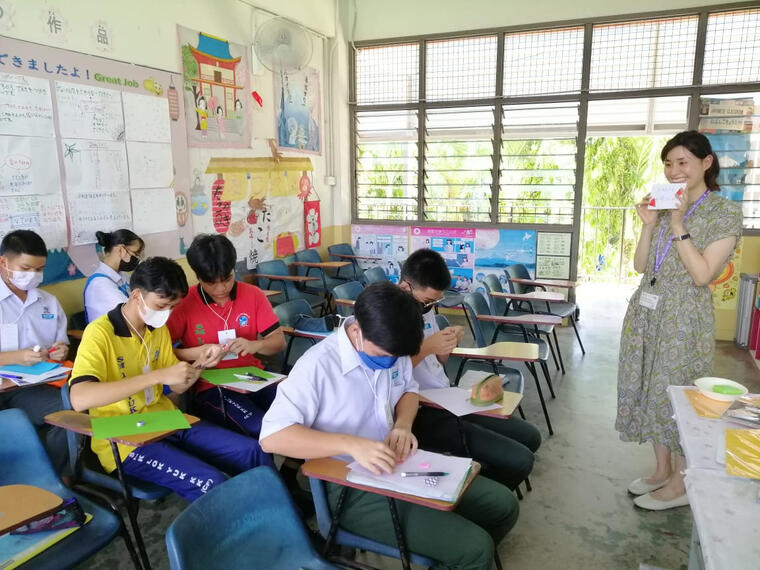
Letter with Origami
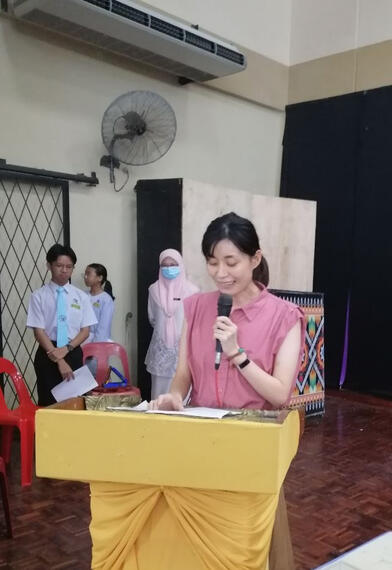
Speech in Malay
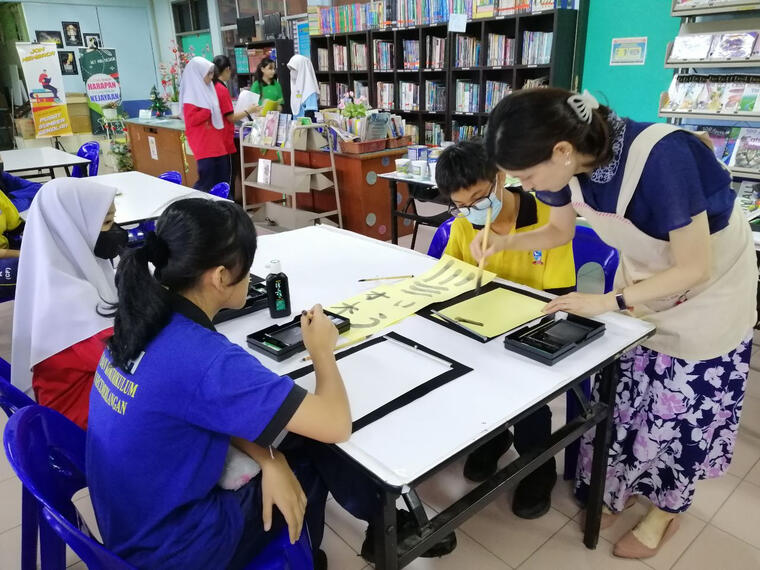
Shodo (Japanese calligraphy)
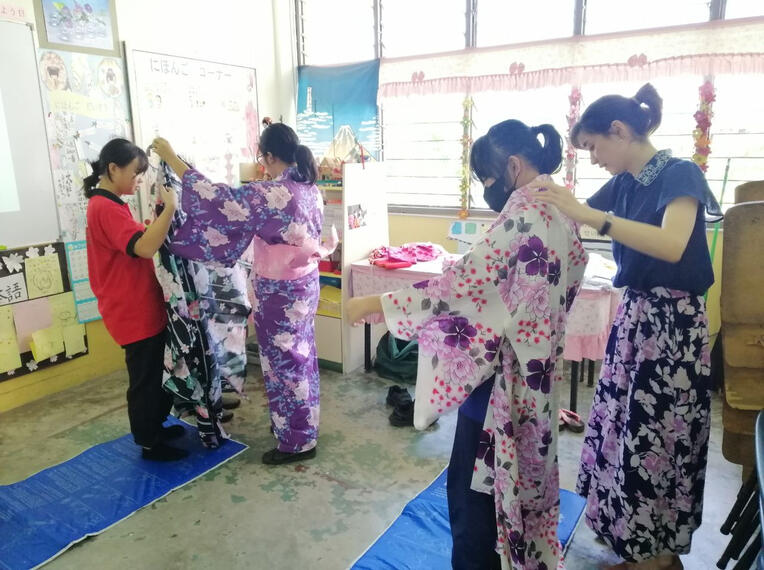
Yukata (Summer kimono)
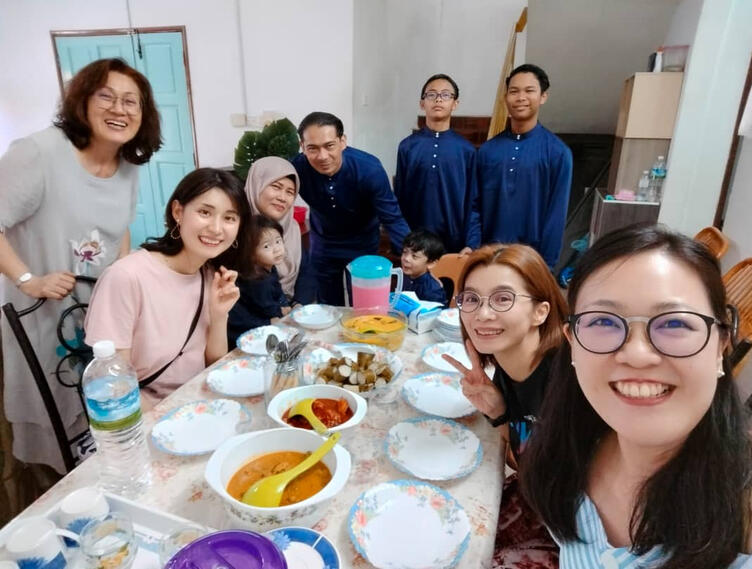
Joining Hari Raya party
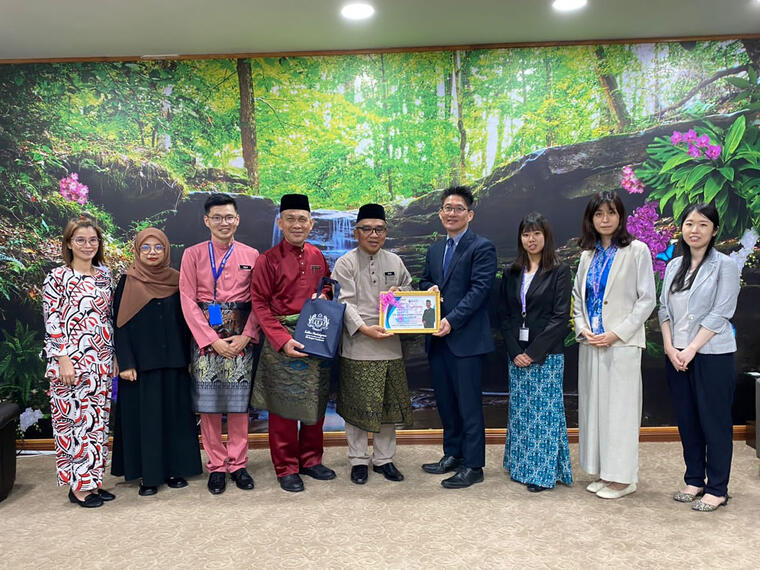
Visiting Sabah education department


© Untitled. All rights reserved.